The Importance of Choosing the Right Materials for Success
When embarking on metal-based projects, selecting the right materials is essential. The choice can affect everything from the project’s durability to its cost-effectiveness. Different metals and alloys offer varying properties, and understanding these nuances can lead to better project outcomes. This article explores how choosing the right materials impacts the quality and performance of your fabrication projects.
The Role of Durability
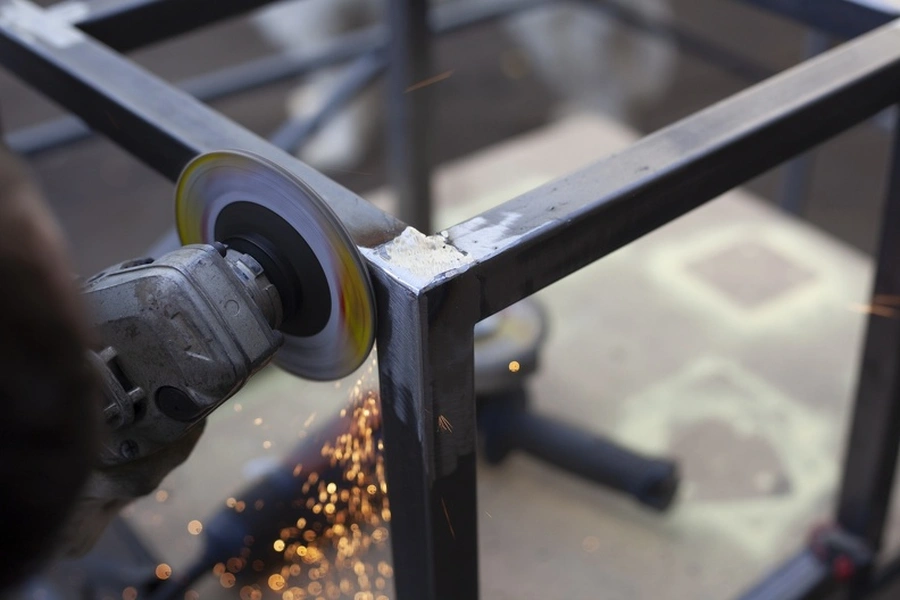
Durability is a key factor when selecting materials for a project. Using materials that are resistant to wear and tear ensures that the final product will last longer. This means less maintenance and repairs over time, saving you money in the long run. Durable materials are especially important in environments where weathering or constant use could degrade weaker substances.
Cost-Effectiveness Considerations
Choosing cost-effective materials doesn’t mean opting for the cheapest option available. Instead, it involves evaluating the lifetime costs associated with each material. For example, while some metals may have a higher upfront price, their resistance to corrosion can save on replacement costs. In many cases, spending more initially on high-quality materials leads to savings down the line.
Impact on Structural Integrity
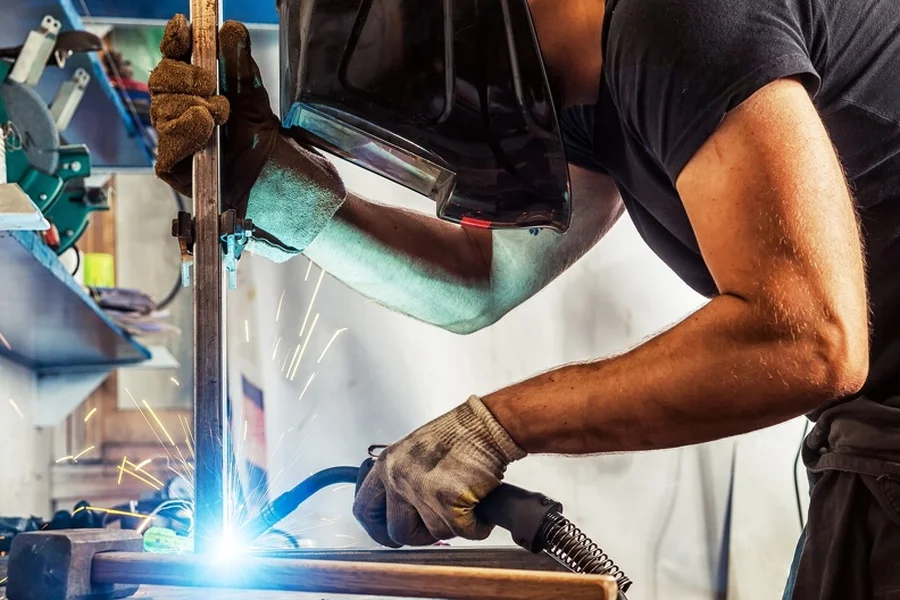
Structural integrity is crucial in any construction project. The wrong choice of materials can compromise safety and functionality. Metals used in metal fabrication contribute significantly to the strength and stability of buildings and machines. By selecting appropriate materials, you safeguard against potential failures and ensure compliance with safety standards.
The Aesthetic Appeal
Aesthetics matter in design as much as function does. Certain metals offer unique finishes that enhance visual appeal. Whether it’s a sleek modern look or a rustic charm you’re going for, material selection plays a vital role. Different metals bring different textures and colors, making your project stand out while matching your vision.
Sustainability and Environmental Impact
In today’s world, sustainability is an important consideration. Using recyclable or eco-friendly materials can reduce your project’s carbon footprint. Many metals are fully recyclable without losing quality, making them excellent choices for environmentally conscious projects. Selecting sustainable materials also aligns with green building certifications, adding value to your projects.
Resistance to External Factors
Projects often face external factors like moisture, temperature changes, or chemical exposure. Materials chosen during metal fabrication must withstand these elements to maintain structural soundness. For instance, stainless steel is often selected for its corrosion resistance, making it ideal for outdoor structures or marine applications.
Practical Tips for Material Selection
- Assess the environment where the metal will be used (e.g., indoor vs. outdoor).
- Consider the mechanical properties required (strength, ductility).
- Evaluate lifespan versus initial cost.
- Think about aesthetic requirements and finishes.
- Check for environmental impact and recyclability.
Conclusion: Make Informed Choices
The right material selection can make or break your project’s success. It affects durability, cost, aesthetics, sustainability, and structural integrity. If you need guidance in selecting materials, reach out to RGM Welding at (702) 443-5072. Based in Henderson, NV, I provide expert advice tailored to your specific project needs.